

Know What You're Breathing.
State-of-the-art air quality testing, and fixes that actually work.
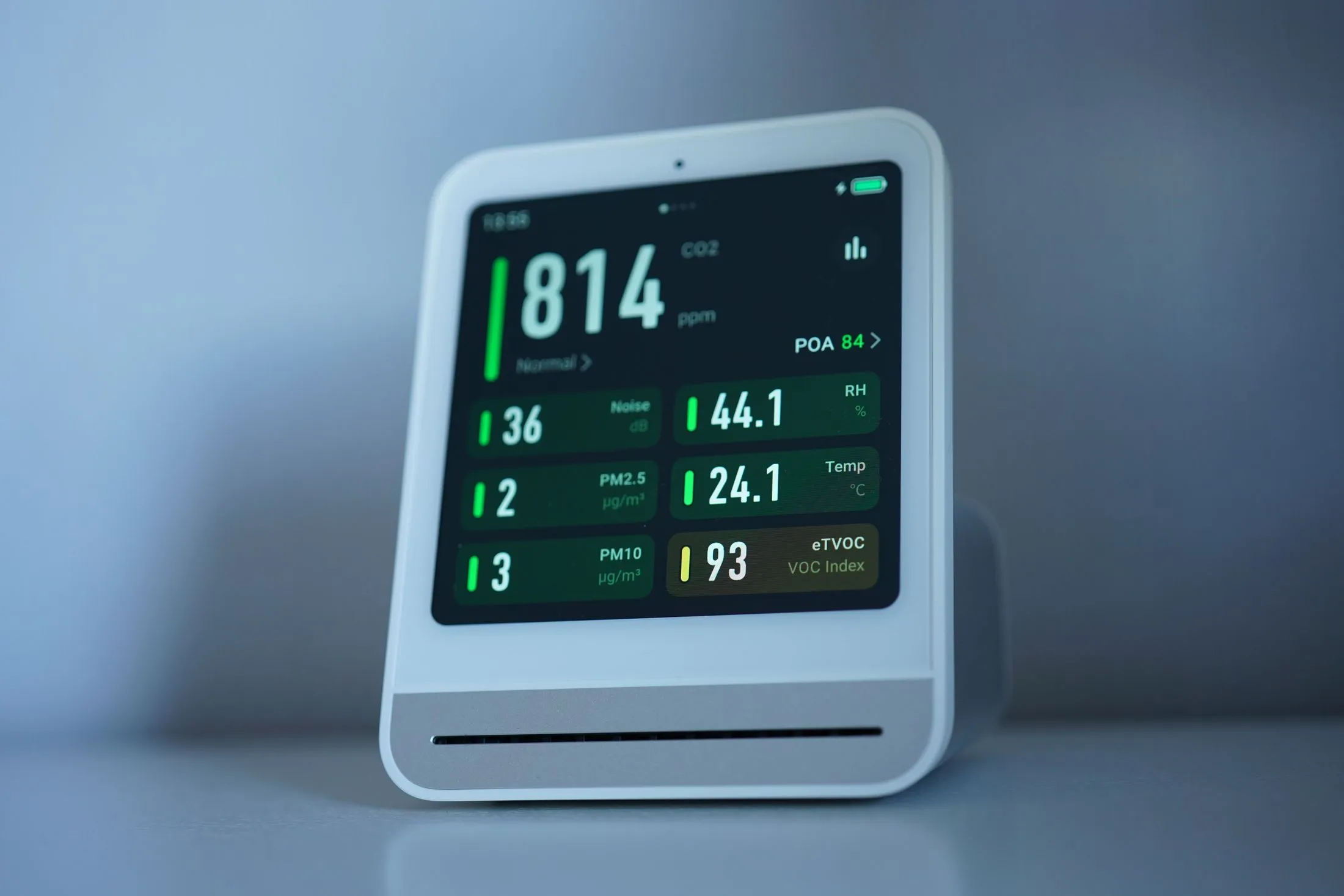
We measure particles, chemicals, CO₂, humidity, mold risk and duct leakage room by room, then hand you a plain-English report and a prioritized plan. No guesswork. No pressure.
- Family-OwnedNorthshore roots
- Test-FirstAir quality diagnostics
- Licensed& insured
- Upfront PricingApprove before we start
- Homes & BusinessesResidential + commercial
- Emergency ServiceWhen it matters
Most Comfort Problems Are Air Problems.
Allergies that never quit, dust that comes right back, a musty closet, a bedroom that always feels clammy. These are almost always measurable, and almost always fixable once you know the cause.
Source: U.S. EPA.
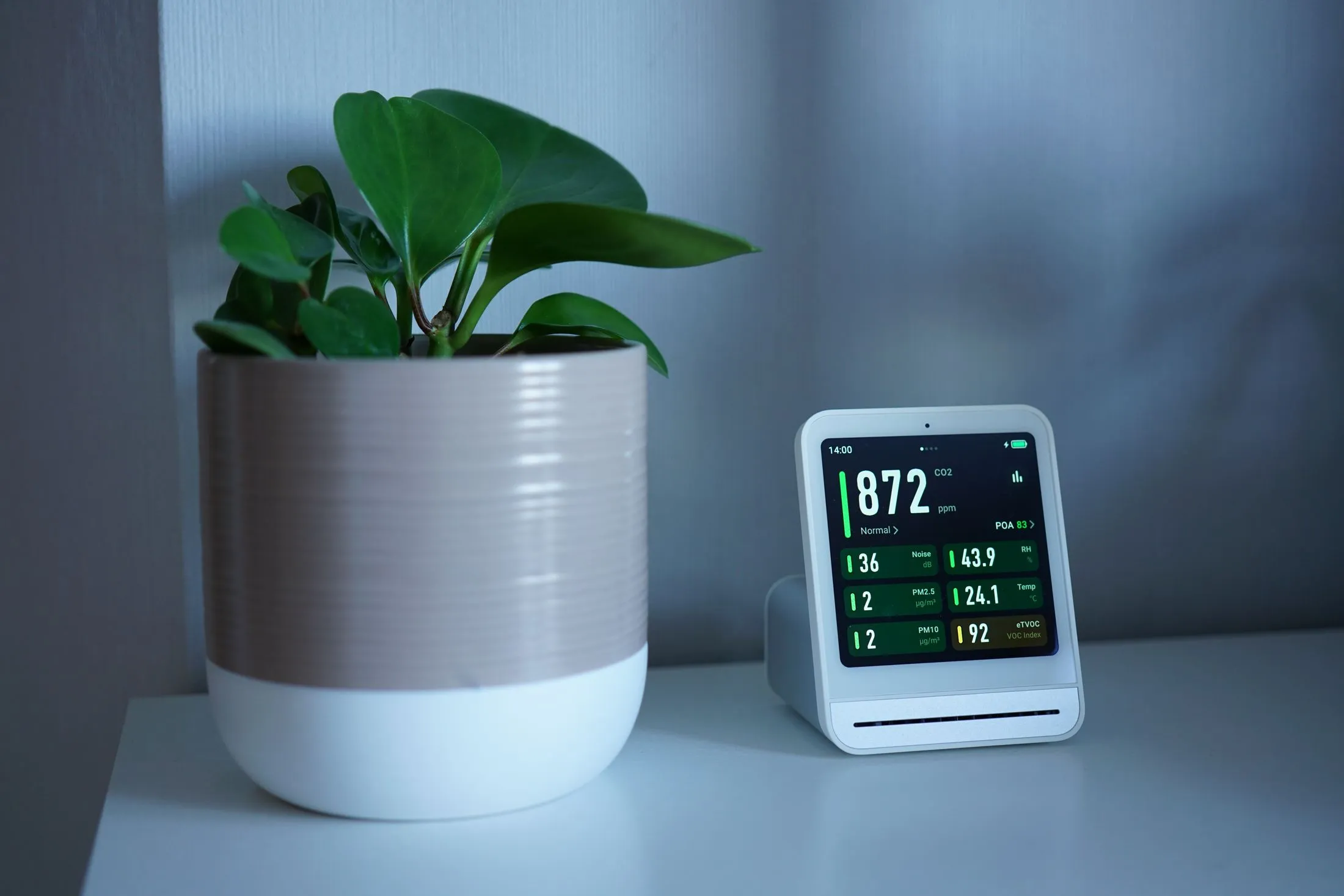
A Complete Look, Not a Quick Glance.
Professional-grade instruments, used room by room and at the equipment, so the recommendations are based on your home and not on a sales script.
Fine particles (PM2.5)
Dust, smoke, pollen and dander small enough to reach deep into the lungs.
Target: under 12 µg/m³VOCs & formaldehyde
Chemical off-gassing from cleaners, furniture, paint and new construction.
Target: low & fallingCarbon dioxide (CO₂)
The best everyday signal of whether your home is getting enough fresh air.
Target: under 1,000 ppmHumidity & dew point
The single biggest driver of mold, dust mites and that sticky Louisiana feel.
Target: 40–55% RHCarbon monoxide
A safety check on every gas appliance, furnace and attached garage.
Target: zeroMold risk
Moisture readings, surface checks and coil inspection where mold likes to hide.
Target: no active growthDuct leakage & blower door
How much air your ducts and house leak, and where the attic air is getting in.
Target: under 10% duct leakageStatic pressure & airflow
Whether your system can actually move the air it was designed to move.
Target: within equipment ratingScan. Test. Fix. Verify. Monitor.
Air quality and system performance are tested together, because one usually explains the other. You keep the written report either way.
- 01
Scan
A 3D scan of your home measures every room, window and wall, then a Manual J load calculation tells us exactly how much heating and cooling it needs.
- 02
Test
Connected instruments grade your system 0 to 100 on airflow, static pressure, charge and delivered capacity, while air monitors log particles, VOCs and humidity.
- 03
Fix
We fix things in the order that matters: sizing and ducts first, then static pressure and airflow, then refrigerant charge. No parts-swapping guesswork.
- 04
Verify
We re-test after the work and hand you a before-and-after report, so you can see the improvement in real numbers.
- 05
Monitor
An optional in-home air monitor keeps watching after we leave, with filter reminders and alerts if something drifts.
Your Results, in Plain English.
Every assessment ends with a report like this one: a System Vitals score for your equipment, an Air Quality score for your home, and a plain-English note on what each number means and what to do about it.
System VitalsNeeds work
Air QualityFair
System Vitals
Tested with connected instruments at the equipmentThink of it as blood pressure for your system. Target is 0.50" or lower. Above that, the blower strains and every other number gets worse.
The blower is pushing against too much resistance: a restrictive filter and undersized return. Everything else suffers until this comes down.
Low airflow follows directly from the high static pressure. Fix the duct restriction first, then re-measure.
Charge looks high only because airflow is low. We do not add or remove refrigerant until airflow is corrected.
You paid for a 3-ton system and are getting a little under 2 tons of cooling. The equipment is fine. The installation is holding it back.
Motors, capacitor and electrical readings are healthy. No signs of a failing part.
Air Quality
48 hours of continuous readings in the main living areasToo damp. Low airflow and short run times mean the coil is not pulling moisture out of the air.
Spikes when cooking and when the AC kicks on, so attic dust is likely getting in through a leaky return.
Highest overnight with the house closed up. The home needs a controlled source of fresh air.
Bedrooms climb past 1,200 ppm by morning. This is the same root cause as the VOCs.
No carbon monoxide found at the furnace, water heater or garage door.
Humidity by room
Shaded band = healthy 40–55% RH
Load calculation: the 3D scan shows this home needs about 2.5 tons, not 3. That oversizing is part of why the system runs short cycles and leaves moisture behind.
Recommended plan, in order
- 1Open up the return & right-size the filterLarger return and a deep media filter cabinet bring static pressure under 0.50".
- 2Re-set airflow, then verify chargeBlower set to the airflow the coil needs. Refrigerant is only adjusted after airflow is right.
- 3Seal the attic returnStops hot, dusty, humid attic air from being pulled into the house.
- 4Dehumidification & fresh airHolds every room at 45–50% RH and brings in filtered outdoor air to lower CO₂ and VOCs.
Measured, Not Guessed.
We use the same professional tools the industry's best contractors rely on, so every recommendation comes from your home's real numbers.
3D home scan + Manual J
Powered by ConduitA LiDAR scan builds an accurate model of your home, so equipment is sized from real measurements instead of square-footage rules of thumb.
System Vitals testing
Powered by measureQuickConnected test instruments score your system 0 to 100 and show exactly where performance is being lost, in plain language.
Continuous air monitoring
Powered by HAVENA monitor in your ductwork tracks particles, VOCs, humidity and temperature around the clock, and can run your fan and filtration automatically.
A Better Filter Only Helps If Air Can Get Through It.
A high-MERV filter jammed into a 1-inch slot can choke your system. Static pressure climbs, airflow drops, the coil gets cold and wet, and comfort gets worse. We measure the pressure drop across your filter and size the filter to the system, so you get cleaner air without the strain.
Read: Are high-MERV filters bad for my AC?- Measured, not assumed. We test pressure drop across the filter at every visit.
- Sized to the system. Deep media cabinets (4–5 inches) give MERV 13 capture with less resistance than a thin filter.
- Enough return air. An undersized return is the most common reason a good filter causes problems.
- Changed on time. With a monitor installed, filter changes are based on actual use, not a calendar guess.
Fixes That Move the Numbers.
We only recommend what your results call for, and we re-test to prove it worked.
High-efficiency filtration
MERV 13 media cabinets and properly sized returns that capture fine particles without choking airflow.
UV-C & PCO purification
Coil and in-duct UV to keep the cooling coil clean, and photocatalytic purifiers to reduce odors and VOCs.
Whole-home dehumidification
Dedicated dehumidifiers that hold every room at 45 to 50 percent humidity, even in shoulder seasons.
Fresh-air ventilation (ERV)
Energy recovery ventilators that bring in fresh air, lower CO₂ and VOCs, and do not add humidity.
Duct cleaning & sealing
Cleaning where it helps, and sealing leaky ducts so attic dust and humid air stay out of your living space.
Humidity-smart controls
Thermostats and equipment settings tuned to remove moisture, not just lower the temperature.
Continuous air monitoring
Optional smart monitors so you can see your air quality, and so we can spot problems early.
Coil & drain remediation
Cleaning and treating coils, drain pans and condensate lines where musty odors usually start.

Northshore Homes Have Unique Air.
Our climate makes air quality a year-round issue. Testing is how you know which of these is affecting your home.
- Relentless humidity. Oversized or poorly tuned systems cool fast but leave moisture behind.
- Long pollen seasons. Pine and oak pollen find every leak in your ductwork.
- Storm and flood seasons. Water intrusion can leave hidden mold behind for months.
- Ducts in hot attics. Small leaks pull hot, dusty, humid attic air straight into living spaces.
Especially Worth It If...
- Someone has allergies or asthma
- You have a new baby or aging parents at home
- You work from home
- You just renovated or moved in
- You have had water or storm damage
- Your home smells musty or feels sticky
The Clean Air Club.
One annual membership for the system that keeps your home comfortable. Two precision tune-ups a year, an annual air quality check, priority scheduling in peak season and member pricing on repairs.
Air quality questions, answered.
How long does an air quality assessment take?
The in-home visit typically takes two to three hours. For a fuller picture, we can leave data loggers in place for 48 hours to capture humidity and CO₂ swings overnight.
Is there a charge for testing?
The assessment is a paid diagnostic service because it involves specialized instruments and a written report. Call or request a visit for current pricing.
Will you try to sell me equipment?
We show you the numbers, explain what they mean and give you options, including low-cost fixes and "keep an eye on it" when that is the honest answer. You decide. No pressure.
What is a System Vitals score?
It is a 0 to 100 grade for how well your heating and cooling system is actually performing, based on airflow, static pressure, refrigerant charge, delivered capacity and operating conditions. It is adjusted for the age of the equipment, so an older system that is working well still scores well.
Do I need an air purifier?
Maybe not. Many homes improve more from humidity control and duct sealing than from a purifier. Testing tells us which fix will make the biggest difference for your money.
Can you test after water damage or a renovation?
Yes. Post-flood, post-storm and post-renovation testing are common requests, and a good way to confirm your air is back to normal.
Find Out What's in Your Air.
Book a whole-home air quality assessment. You will get real numbers, a clear report and honest options.